CANADA SHIPPING REQUIREMENTS

Shipping to Canada: what can ship and what needs confirmation

Before shipping to Canada, separate three questions: whether the goods are high-risk or prohibited, whether a sensitive-goods route must be confirmed, and whether packing or the destination can create a surcharge. Confirm the goods and postal code before arranging dispatch.

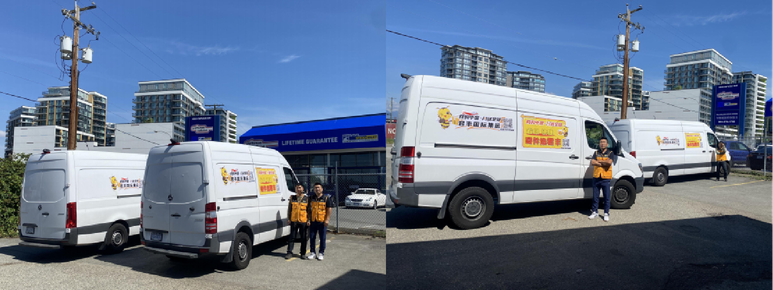
Canada final-mile delivery vehicles
Goods category, packing, and destination postal code affect available services and local delivery arrangements.

CHECK BEFORE SHIPPING

Identify which category your goods fall into

Eligibility cannot be decided from an item name alone. Safety characteristics, batteries, liquid or food ingredients, brand, packing, and destination address can all affect acceptance.

Usually not accepted

High-risk or clearly prohibited goods

  • Flammable or explosive goods, pressurised aerosols, firearms, and weapon-like knives
  • White or unidentified powder and strongly irritating chemical goods
  • Cigarettes, tobacco-related goods, gambling tools, and covert-recording devices
  • Fresh goods, currency, and printed currency commonly refused by routes

These categories repeatedly appear in public route refusal rules. Send an item name and photos before shipping when uncertain.

Must be confirmed by route

Sensitive, special, and brand-related goods

  • Food, seasonings, health products, medicine, and snacks containing meat, egg, or dairy
  • Cosmetics, liquids, creams, glue, and goods containing compressed gas
  • Built-in batteries, rechargeable products, weak-magnetic goods, and electronics
  • Brands, fashion brands, country-of-origin imitations, figurines, and high-value goods

Some routes accept specific items, but quantity, capacity, power, mixed packing, and declaration limits differ. Do not send them as standard goods.

May affect cost or delivery

Oversize packing, large cargo, and special addresses

  • Crates, frames, irregular packing, and yellow-tape outer cartons
  • Over-limit longest side, second side, girth, or single-piece actual weight
  • Remote and super-remote postal codes or commercial-delivery addresses
  • Furniture and equipment needing forklift feet, unloading, or upstairs delivery

These conditions do not always prevent shipping, but require the postal code, dimensions, and packing photos to confirm cost and delivery terms.

CARGO DETAILS

How to prepare information for common goods

Accurately describing goods is more useful than calling everything "daily necessities." Use the links for category-specific guidance.

Goods categoryInitial assessmentProvide for reviewMore detail
Clothing, shoes, and home goodsNon-powered, non-liquid, non-high-risk-brand items are usually reviewed as standard goods first.Brand status, packing size per piece, total weight, and destination postal code.Clothing guide
Cosmetics, liquids, and creamsConfirm through sensitive- or special-goods routes, not standard-goods rules.Product name, ingredients or use, bottle capacity, total quantity, and mixed packing.Cosmetics guide
Food, medicine, and health productsRestrictions differ substantially; meat, egg, dairy, and liquid food need special disclosure.Full name, ingredients, quantity, packing photos, and declared value.Food guide
Battery goods and electronicsConfirm built-in versus loose batteries, rechargeable products, battery power, and purpose.Product photos, model, battery type/power, and whether batteries ship separately.Confirm eligibility
Furniture, equipment, and oversized goodsConfirm as large or oversized cargo; delivery and unloading terms may differ.Dimensions and weight of each piece, packing type, postal code, unloading or upstairs delivery.Large-cargo rules

PACKING AND DIMENSIONS

Start with a regular outer carton

Size limits vary by route. Air freight commonly limits the longest side to 100cm and sea freight to 120cm; the second side, girth, and actual weight also need review.

Regular cartons are easier to route. Crates, frames, and irregular packing are not automatically refused, but may depend on commercial-delivery coverage, an outer carton, and added charges.

Dimensional weight and packing guide

Outer-carton measurements

Provide length, width, height, and actual weight for each piece. Consolidation, reinforcement, and framing alter the final chargeable dimensions.

Crates and frames

Some routes accept hinged crates or frames. Non-commercial areas may require an outer carton; confirm with the route.

Irregular packing and yellow tape

Irregular or cylindrical packing and yellow-tape outer cartons commonly create a surcharge or cannot use certain routes.

Fragile and heavy goods

State protection needs for fragile goods. Heavy pieces may require a crate, frame, or forklift feet.

COST AND DELIVERY RISKS

Common surcharges and delivery risks

Reference rates apply to goods that meet the relevant route conditions. The following can require a route change, surcharge, or new delivery arrangement.

01

Dimensional weight and over-limit size

Most routes charge the greater of actual and dimensional weight. Overlength, overweight, and excess-girth charges can apply per piece and may stack.

02

Remote areas

Some sea and large-cargo UPS remote areas incur a surcharge, often charged by weight with a shipment minimum. Confirm by postal code.

03

Special packing and unloading

Crates, frames, irregular packing, yellow-tape cartons, oversized unloading, upstairs delivery, and forklift service can change both cost and delivery method.

04

Address errors, refusal, or redelivery

An incomplete address, recipient refusal, or failed delivery can create return, storage, or redelivery charges. Confirm the real name and complete address before dispatch.

Services, weight bands, and reference rates

DECLARATION AND RECIPIENT

Keep declaration and recipient information accurate and complete

Declare goods truthfully

Provide name, quantity, use, and declared value. Route requirements for declaration items, values, and quantities differ; high-value and sensitive goods require confirmation.

Provide real recipient information

Recipient name, complete Canadian address, postal code, and contact details must be accurate. Unknown or incomplete addresses can cause delivery failure.

Keep goods information before confirmation

Product and packing photos, dimensions, weight, and special characteristics support route assessment. Large cargo also needs unloading, upstairs-delivery, or appointment details.

COMMON QUESTIONS

Canada shipping-rules questions

Use this page for pre-shipment screening. Actual acceptance, cost, and delivery coverage are determined from the goods, packing, and postal-code review.

Can food, cosmetics, or battery goods ship to Canada?

Some sensitive or special routes accept specific items, but ingredient, quantity, liquid volume, battery power, packing, and mixed-goods limits apply. Send a goods list first.

Can crates and frames ship?

Some sea and large-cargo routes accept compliant crates or frames, but may require hinges, an outer carton, or commercial-delivery coverage. Packing photos and postal code are required.

Why is there a remote-area surcharge?

Some routes charge postal codes with weaker coverage or higher delivery cost. Rates and minimum charges vary, so use the full postal code for confirmation.

What carton size or weight creates an extra charge?

Longest side, second side, girth, and single-piece actual weight have route-specific thresholds. Public rules often reference 22kg, 41kg, and 68kg, but the actual charge depends on route, packing, and measurements.

CONFIRM BEFORE SHIPPING

Send these details to confirm eligibility and charges to watch

Provide the full postal code, goods category, product and packing photos, weight and dimensions of each piece, declared value, and any batteries, liquids, or brands. Large cargo also needs unloading and upstairs-delivery requirements.